
Imagine two restrooms for public use. Imagine two restrooms in public. The other serves a remote trailhead surrounded by open land.
The two buildings provide the same service, however should they be constructed as identical structures it would be difficult to comprehend how the two sites function.
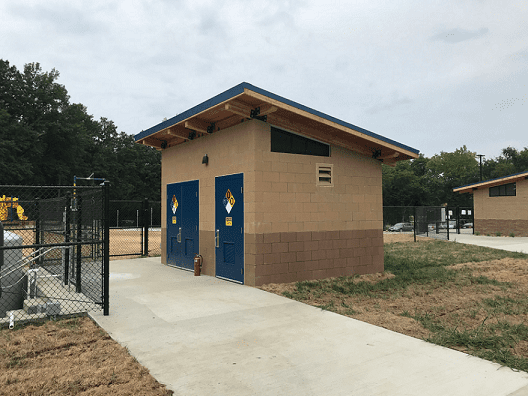
Image credit: romtec.com
It is essential to choose the right site for creating high-quality public restrooms. Who will utilize the facility? How many persons are permitted to enter at the same time? What are the services offered? How far must visitors walk? What style of architecture is surrounded by the structure?
These questions can influence the majority of decisions that follow.
Start With How People Move Through the Site
The placement of restrooms should not be considered in isolation from other areas of a park. In a complex for sports there are large crowds that be gathered around games and events. It is vital that a bathroom serving a playground be located in an accessible location for families, and fit safely into the pedestrian circulation. In urban settings, the size of sidewalk restrooms might be smaller and they may be required to blend with other features in the streetscape.
The building is just one element of the experience. Access points, routes, activities accessibility, and the surrounding environment all influence the way that a location is used in practice.
Remote Sites can create a Unique Problem
The project should be moved away from the street and utility infrastructure. The conventional sewer service may not be accessible at a scenic view point or in a remote recreation area or campgrounds. or any other area. When the circumstances are right vault toilets are an alternative that allows restroom facilities to be utilized in locations in which traditional plumbing infrastructure might be inaccessible or not practical.
The design debate is now different. Instead of deciding on a specific building project team, they should consider the existing conditions on the site to determine which restroom system best suits the location.
Capacity Should Be Reflective of Real Use
A tranquil neighborhood park as well as regional sports facilities don’t have the same crowd patterns. Peak demand matters. A facility that appears to be adequate in a typical Tuesday afternoon can face different conditions on a Saturday festival, event, or other event for the community.
Planning around actual use helps owners think about restroom dimensions layout, layout, fixtures access for maintenance, and other operational requirements before construction starts.
For organizations researching prefabricated park restroom buildings, flexibility can be particularly valuable because the building can be configured around the project’s requirements instead of forcing the site to accommodate a predetermined model.
Even though Architecture is a part of the conversation
The design of a bathroom is essential, however it shouldn’t be overlooked because its function is more crucial. A public restroom is part of the natural landscape. Roof forms, siding, colors fixtures, masonry and other features of architecture can aid in establishing a connection with adjacent pavilions or concession structures or the natural surroundings an established design theme, or the community.
Romtec’s bespoke approach lets teams to utilize various colors, materials and shapes as well exterior treatments, rather than being limited to the standard appearance.
Design for the Environment It’s not just about the function.
Romtec collaborates with park operators, contractors, and landscape architects to design, build, and install public restroom buildings. The company’s experience includes building documentation, code requirements, ADA considerations, engineering, component selection, and construction throughout the United States.
But, the most important start point is really simple. Don’t start by asking which restrooms you could build on the location. Start by understanding what is already taking place on the location that includes activities, people and infrastructure. Create a building that is a good fit within.