
Surface finishing has transformed from a labor-intensive process to an engineering process that is precision-driven. In the manufacturing world of the present, the quality of coatings is directly correlated with durability, corrosion resistance, and perception. A lot of facilities employ paint robots to increase control and consistency as global standards get more strict and customers require flawless quality finishes.
A modern paint robot brings structured motion and programmable accuracy to applications that once depended on the skills of the operator. Manufacturers can eliminate inconsistencies like uneven film formation or excessive use of materials through automation of the spray paths, speeds and the angles of application. This process of coating that is predictable supports First Time Quality, and reduces rework.
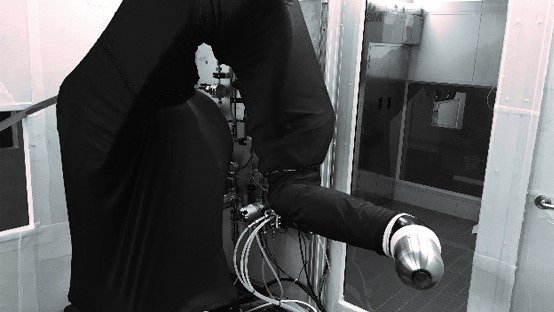
Image credit: automatedsolutions.com.au
Consistency, Efficiency, and Measurable Gains
Manual painting typically introduces variations in thickness and coverage due to human fatigue or tiny differences in technique. Paint robots eliminate that variation since they repeat the same motion pattern over and over again throughout the production stage. This consistency ensures uniform surface finish and optimal material distribution across every part.
A robotic paint system could enhance transfer efficiency. Overspray can be minimized by maintaining a certain distance between the applicator, and the component. This allows more coating to be applied to the desired surface. A lower amount of material waste directly affects costs, while reducing emission of volatile organic compounds supports efforts to ensure environmental compliance.
The fluid handling integrated into paint robotics assures precise mixing ratios for multi-component coatings. This reduces the chance of inconsistencies which could make it difficult to maintain the integrity of the finish. The ability to control flow in conjunction with the ability to program parameters allow manufacturers to alter the pattern of atomisation and spray without interrupting production.
Productivity and safer workplaces
The longer time between maintenance is a significant benefit of the paint robotic system. Paint robots are more efficient than manual operation because they run without interruption. Once programmed, they maintain steady throughput without the requirement to take breaks or be under constant monitoring.
It is important to consider safety in any facility which uses bi-component or solvent-based coatings. When working with flammable or reactive explosive materials, atomised paints can result in dangerous conditions. Modern paint robots are able to operate without risk in harsh conditions. This decreases the chance of exposure to harmful chemicals and improves safety at work.
Conveyor track technology improves productivity by allowing paint applications using robots while components continue to move. This increases the effectiveness of the working environment and keeps production lines operating efficiently.
Australian Automation Expertise Supporting Industry
Access to automation partners that have expertise is crucial for manufacturers who wish to modernize finishing processes. Automated Solutions, a leading robotic integration company in Australia, has earned the reputation of offering high-end robotic services. With extensive knowledge in automation engineering, the team works as certified FANUC robot integrators, helping businesses implement tailored robotic paint solutions that align with their operational goals.
Automated Solutions combines technical expertise and practical industry experience to help manufacturers evaluate their current processes and creating robotic paint cells that are optimised. With the help of collaborative planning, simulations and system integration, companies can better understand the expected performance improvements prior to implementing.
Paint robots aren’t just an issue of automatization. It’s about measurable improvements in efficiency, quality and security. A well-engineered system for painting transforms finishing on surfaces into a controlled, repeatable, and cost-effective operation. Assistance from automation experts can help manufacturers to improve their efficiency and competitiveness, as well as ensure long-term growth in a demanding market.