
Modern companies rely heavily on mobile devices to gather data, automate processes and drive smarter operations. The management of a large number of devices spread across multiple locations, especially when they expand, can become overwhelming. Operation of devices requires continuous technological expertise and focus. From security compliance to optimization of performance and software upgrades, they all demand constant attention. Managed services that are structured can to simplify the process.
The companies begin their search for Raspberry devices with free software to cut down the initial cost. Free software may provide basic monitoring and remote accessibility but they cannot provide the lifecycle management necessary for deployments in the enterprise. With the proliferation of device networks, businesses require more than dashboards and manual control. They need an integrated system that handles provisioning, security monitors, performance, compliance reporting and compliance tracking automatically.
The internal team is freed of their daily operational burden with a well-managed infrastructure. Instead of troubleshooting devices, patching systems, and responding to outages, businesses can concentrate on innovation and growth. A unified framework is used to set up, deploy, and manage every device to ensure consistency and security. This system does not only reduce downtime, but also helps eliminate security risks that typically result from unintentional updates or incorrect configurations.
A Partnership Model for Scale
IoT ecosystems that are successful are seldom built in isolation. They require thoughtful planning, intelligent architecture and constant optimization. Partnering with an experienced Raspberry Pi design partner ensures that the choice of hardware along with the system architecture and software environments are in line with operational goals from the beginning. Instead of treating deployment as a once-in-a-lifetime project, this partnership creates an adaptable foundation that expands with the business.
Every managed service engagement is customized to each customer’s needs, such as the integration of hardware, platform management, and technical assistance within one operating agreement. This approach unifies the work of service providers and makes communication easier. The business owners now have identified technical contacts, clearly defined service level agreements, and clear reports that keep all parties informed.
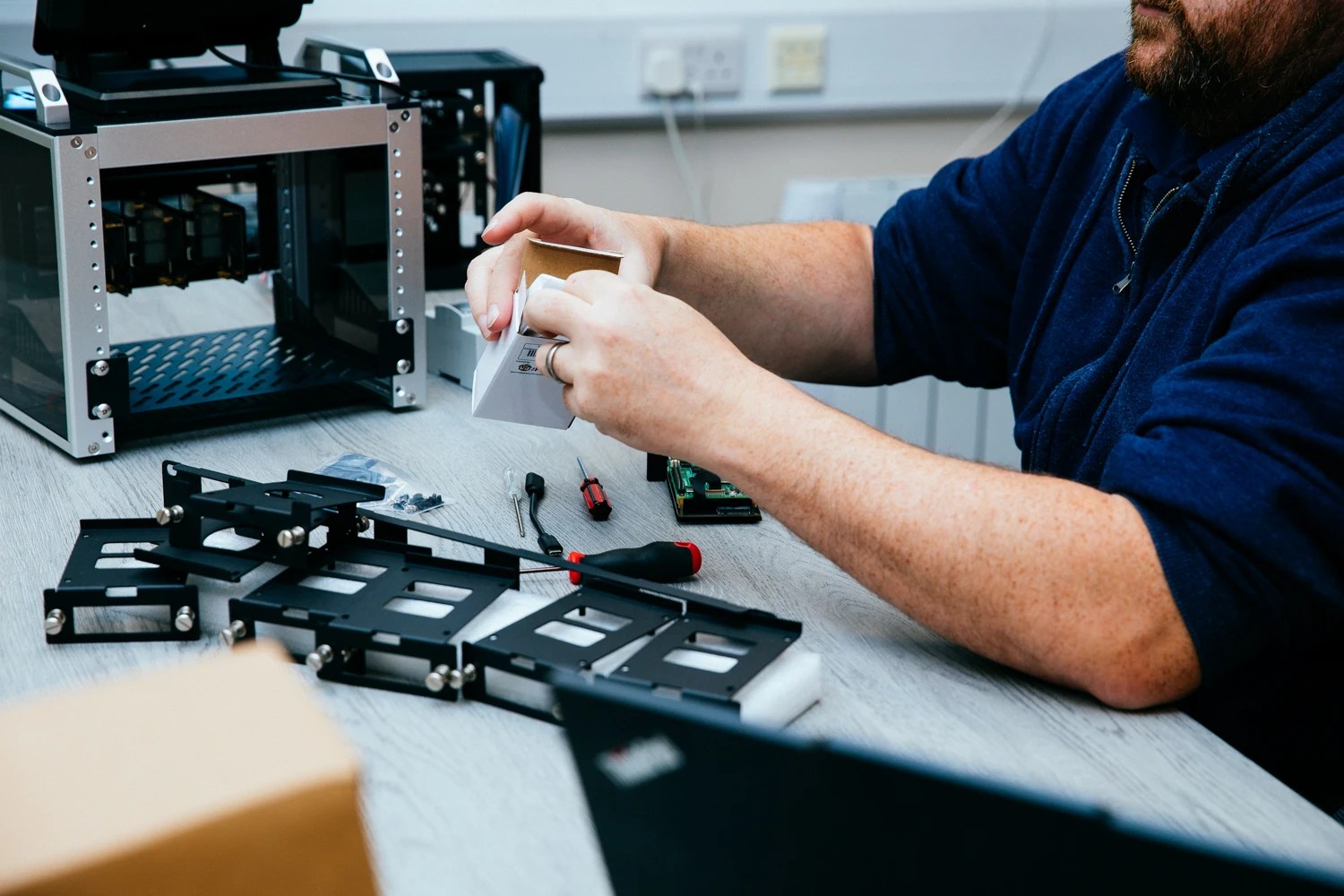
Standardization of the provisioning process and configuration processes ensures consistency in all locations. Before deployment, every device is tested and assembled. It is then enrolled to ensure consistent performance. Continuous telemetry offers real-time information into device health and application stability, allowing engineers to spot irregularities in the early stages and stop system failures before they escalate.
Operational Excellence Through Continuous Management
Dependable IoT environments rely on proactive maintenance and not reactive troubleshooting. Regular patching and updates will ensure that operating systems and applications are secure and reliable. Prior to the deployment of updates, they are thoroughly tested to ensure there aren’t any interruptions.
Operational workflows are also designed to satisfy compliance requirements. The reporting mechanisms are in line with standards set by regulators. This method of auditing that is structured helps reduce stress and improves cybersecurity capability.
Managed services are especially beneficial when they feature lifecycle optimization and performance optimization. Regular system reviews identify potential for hardware upgrades, improvements in energy efficiency, as well as the balancing of workloads. The infrastructure isn’t just an emergency option, but a strategic one that adapts to the development of an organization.
Cloud and Edge Technologies can be seamlessly integrated
Modern deployments typically require tight integration between edge hardware and cloud-based ecosystems. Expert Azure IoT consultant helps companies securely connect their devices to cloud platforms, while optimizing analytics workflows and automation capabilities. This combination of physical infrastructure and cloud-based intelligence allows more intelligent decision-making and improved operational efficiency.
Professional IoT consulting also ensures that monitoring platforms, security protocols, and data governance frameworks work cohesively. Engineers continuously monitor the performance of systems and take action to detect anomalies prior to them disrupting operations. The ability to scale support allows organizations to grow confidently, with the knowledge that technical expertise will grow along with their device fleet.
In simple terms, the objective is to make the most advanced edge technology feel natural. Scaler Pi makes advanced technology more accessible through combining hardware knowledge with cloud-based technology. It creates an environment that is streamlined where devices are able to work together. Data, operations and data are effortlessly.
A Smarter Way to Manage Device Infrastructure
Managed Services provide one point of accountability for monitoring, design and assistance. Flexible pricing models help reduce budgeting surprises while automated updates and constant monitoring limit operational risks. Businesses gain peace of mind knowing that their infrastructure is secure and compliant, always operating at its top.
The requirement for solid operational frameworks is increasing as IoT ecosystems expand. Managed services that are comprehensive will ensure that devices are reliable, secure and future-ready, allowing companies to innovate without having infrastructure management slow them down.