
The blockchain technology has revolutionized the ways we conduct digital transactions. But it can be a challenge to navigate. Whether you’re a developer, NFT enthusiast or DeFi investor tracking transactions is vital. This is possible with the Flow platform, which is one of the most effective blockchains. If you’ve ever wondered what you can do to look up transaction history through Flow Explorer, read Flow block information on Flowscan or utilize Flow EVM Scan to scan transactions, this guide is ideal for you.
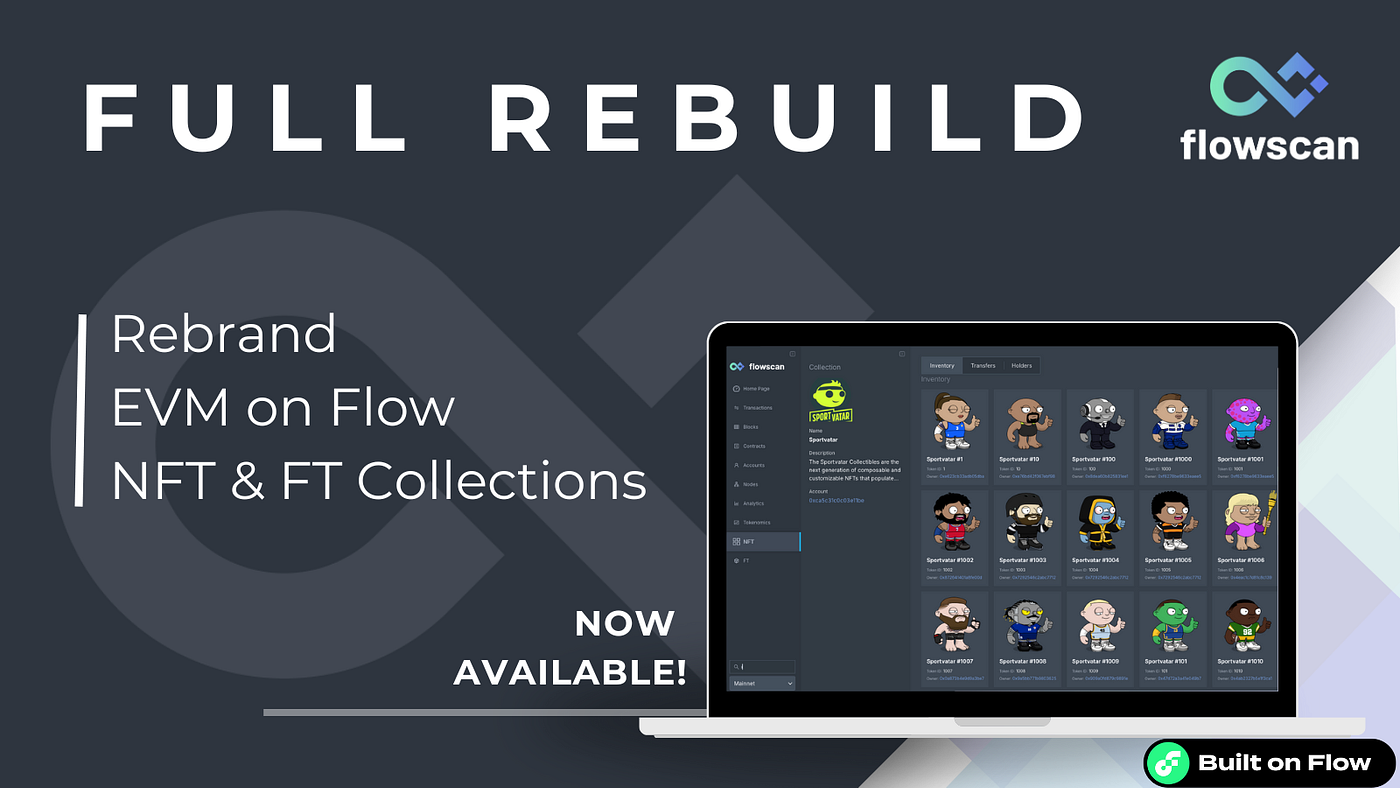
Image credit: flowscan.io
How to use Flow Explorer effectively for tracking your flow transactions
Checking transaction history on Flow explorer. An account is made on the blockchain for every time you connect, exchange or receive Flow assets. As opposed to traditional banking that rely on intermediaries the immutable and transparent ledger of Flow allows you to verify each transaction in real time.
You can look up the history of your transactions on Flow Explorer by entering your wallet address or transaction ID (TXID). Entering this into Flow Explorer’s search bar will give you access to details like:
The transaction’s status is either successful, pending or unsuccessful.
The wallet addresses used during the transaction.
Reference the block number and timestamp.
The gas fee is used to pay for processing.
It is particularly useful in the event of waiting for an order to be processed, troubleshooting failed transactions, or simply keeping track of your activities. It provides you with full access into your digital assets, ensuring that no data is lost in the void of blockchain.
Decoding Flow Blockchain: How to read Block data on Flowscan
Reading Flow block data on Flowscan. If you’re looking for to gain a greater understanding of Flow blockchain activity, Flowscan is the go-to tool. In contrast to Flow Explorer which focuses only on single transactions, Flowscan lets you analyze whole blocks and provides insights into how the network operates.
Each transaction is saved as blocks. These act as groups of data that can verify multiple actions at the same time. When you search for a block’s number or hash in Flowscan and Flowscan, you can see:
The total number of transactions in the block.
It takes time to finish the block.
The wallet addresses used and the smart contracts.
Users and developers can track patterns with a historical log.
This may appear technical to people, but it’s a great method of ensuring that transactions have been handled in a timely manner, and also to understand the Flow network’s priorities. When you’re checking for NFT coining token exchanges, token trading, or contract interaction, Flowscan makes sure that every step is taken into account.
Examining Flow-based EVM Scanning Smart Contracts and Cross-Chain tracking
As Flow continues to grow, it’s also increasing its compatibility with Ethereum-based apps. This is where Flow EVM Scan comes in. This tool is useful if you are acquainted with Etherscan. It permits you to track smart contract, DeFi interaction, and token transaction on the Flow EVM compatible environment.
You are able to scan a wallet contract, or e-wallet’s address by entering it into the Flow EVM scanner.
Verify the condition of the asset wrapped and cross-chain transfer.
Check DeFi staking rewards and token holdings.
Ensure that smart contract interactions were executed properly.
This tool acts as a bridge between Ethereum and Flow. It makes it easy to monitor and launch blockchain applications in both ecosystems.
Final Thoughts on Why Monitoring Flow Transactions is Vital
Blockchain is the ultimate in security and transparency. However, it’s only going to work if you use the appropriate tools. You can gain complete control of your digital assets by understanding how to use Flow Explorer and Flowscan.
These tools can make your Blockchain interactions more clear, faster and secure, no matter if you’re tracking a NFT purchase, verifying a DeFi transaction or debugging smart contracts. Don’t rely on Flow to process your transaction. Verify it yourself.