
A software engineer may have spent six years working through difficult engineering challenges but find it difficult to articulate a system architecture decision during an interview. Someone who has managed effective campaigns may still struggle to recall the most useful performance data under interview pressure.
Neither situation automatically suggests a lack of ability. Interviews require candidates to draw on their knowledge, organize their thoughts, interpret unfamiliar questions, and communicate clearly under pressure.
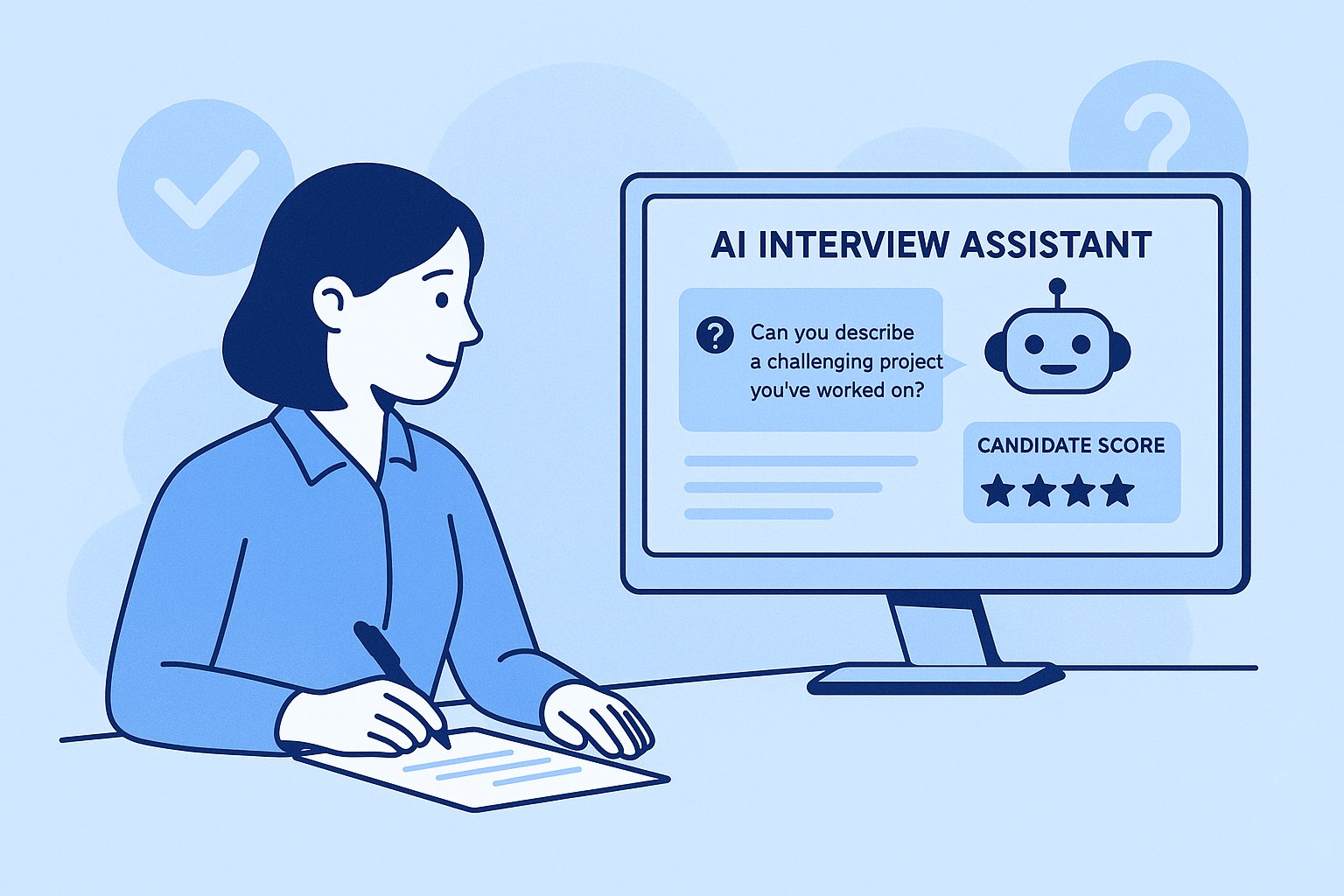
AI technology offers different approaches for developing these interview skills. Interview Pilot combines personalized interview preparation, simulated conversations, and live answer suggestions to help candidates approach professional interviews with greater confidence.
Build a Useful Collection of Professional Experiences
Many candidates prepare in the conventional way by looking up familiar interview questions and learning sample answers by heart. Such stock responses seldom represent the specifics of a person’s real work history.
Take a familiar hiring question: “Tell me about a time you managed a difficult project.” An effective response needs something beyond a smooth introduction. A useful account connects the project’s context with the work assigned to the candidate, their decisions, and the final outcome.
Interview Pilot uses information from a candidate’s professional resume, target position, and prospective employer to generate more relevant suggestions.
With an AI interview assistant, candidates can identify appropriate experiences, arrange the evidence behind them, and notice missing details. Candidates can then practice describing those experiences accurately in their own words.
Make Technical Reasoning Understandable
Technical interviewers look beyond a candidate’s familiarity with software development languages, platforms, and engineering concepts. Hiring teams often examine the way a candidate approaches a problem and compares possible solutions.
For example, a developer discussing database performance might need to explain why indexing improved query speed, what trade-offs were involved, and how the improvement was measured.
Interview Pilot provides suggestions for both technical and behavioral questions. The interview copilot feature interprets spoken questions and produces responses informed by the conversation.
Candidates still need to comprehend why a suggested answer makes sense. Candidates should be prepared to explain technical decisions independently, particularly when interviewers ask additional questions or modify the original scenario.
Practice Conversations, Not Just Individual Questions
Silent review of interview questions cannot fully replicate the experience of speaking an answer. Verbal rehearsal helps candidates notice communication problems that written practice might miss, such as using lengthy openings, explaining ideas unclearly, or relying on unnecessary technical terminology.
Users can prepare for conversations with recruiters and hiring managers through Interview Pilot’s simulated AI interviews and interview question bank.
Candidates can practice effectively by responding to one question repeatedly while adjusting the depth of the answer. The same experience could be explained in roughly thirty seconds during a screening interview and in greater depth during a technical discussion. Adjusting the depth of an answer can make the conversation sound less memorized and more relevant to the interviewer’s questions.
Understand the Rules for AI-Assisted Interviews
Tools offering real-time interview answers introduce additional considerations around professional integrity and employer expectations. AI assistance may be permitted in certain organizations’ assessments, but other employers require an assessment completed without external help.
Before using a copilot for interview preparation or live support in a real interview, candidates should confirm the hiring organization’s rules. Processing interview conversations through software raises additional considerations involving the confidentiality of the discussion and consent. AI-generated suggestions are most valuable when they support genuine knowledge rather than substitute for qualifications or invent professional experiences.
Interview Preparation for Busy Candidates
Candidates frequently fit their interview practice around work schedules, travel to and from work, and personal obligations. Support for multiple devices may make it easier to maintain regular practice sessions.
Users can access Interview Pilot on Mac and Windows, on iPhone and Android, and via the web. Interview Pilot states that more than one million people worldwide use its service, which includes a free tier with limited weekly AI use and paid subscriptions for unlimited usage.
Successful interview practice involves more than memorizing model answers. It’s about becoming comfortable discussing what you know, demonstrating how you think, and explaining the value you can bring to an organization.
When used with care, Interview Pilot can assist with preparation without displacing the applicant’s genuine experience, independent judgment, or communication abilities.