
It’s very rare that a productive yard begins with costly machinery or a beautifully landscaped property. Most often, it is the person who starts with the seeds, and then observes the outcomes. This can help them make better decisions for the next season.
That practical approach is central to The Sproutstead, an informational resource created for people who want to grow food, improve their soil, preserve what they harvest, and develop useful self-sufficiency skills without getting buried in technical language.
The garden conditions are unique
It can be confusing because gardens can’t be interchangeable. The same tomato variety planted in a raised bed with sun in one location could behave differently from the same variety of tomato grown in heavy, dense soil in another region.
To succeed in gardening and homesteading, it is necessary to do more than simply follow instructions. Gardeners gain knowledge of their particular conditions: sunlight soil structure, soil structure, temperature, growing season, available space, and the amount of time they’ll be able to devote to maintaining.
The Sproutstead goes over these factors for readers to adapt gardening techniques to their personal home, rather than trying to recreate someone else’s setup.
Vegetable gardening begins below the surface
Naturally, people pay more attention to plants that they can see. However, the overall success of a garden project is mostly determined by the underground.
Good soil needs an appropriate combination of drainage, moisture retention, organic matter and nutrients. Composting can enhance soil with time, and mulching may help conserve water and reduce the development of plants. If you are aware of these basic principles, you will simplify your gardening efforts. This is because improved growing conditions will give your plants a solid foundation.
Planning is also important. How efficiently a gardener can utilize the limited space is dependent on the spacing between plants as well as the timing of crop growth along with companion plants, as well as seasons of succession.
Tomatoes Are a Lesson in paying attention
If you ask 10 gardeners about tomatoes, and you’ll likely hear about ten different tales. They are among the most common garden crops and show the way that different environments for gardening can cooperate.
If you’re interested in knowing how to grow tomatoes, think beyond the depth of your planting and fertilizer schedules. The tomatoes require adequate sunlight, regular watering as well as a suitable soil and spacing as they mature. The choice of the variety is essential because conditions for growing, space available and the purpose of use could affect which tomato is best.
If a plant is producing a lot of foliage, but few fruits, adding additional fertilizers to the soil might not be enough. The issue could be caused due to excessive nitrogen, high temperatures, insufficient sunlight or problems with pollination. Monitoring the entire plant is more efficient than treating every sign.
The Harvest is Only Part of the Story
When half the vegetables spoil before they are eaten this makes the effort of growing 20 pounds of veggies seem less efficient. A thoughtful home-growing system considers what happens after harvest too.
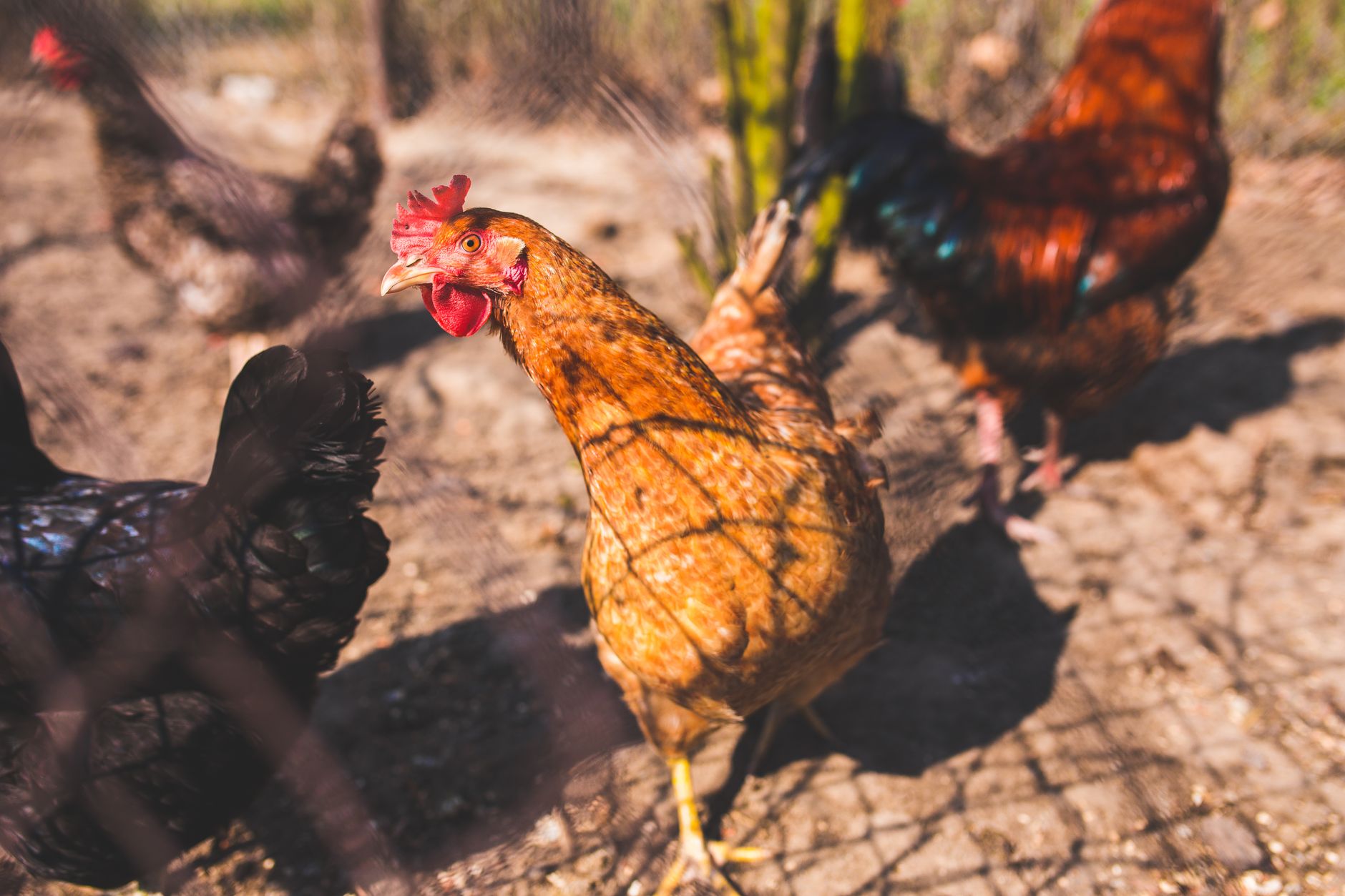
Canning or freezing, dehydrating sharing produce that is surplus and saving seeds can all allow families to get the most out of their garden. Backyard chickens, herb gardens, fruit trees, and composting may eventually become components of the same system.
It isn’t mandatory to try all homesteading techniques at the same time. It’s crucial to make progress in homesteading regardless of whether you’re growing lettuce, building compost or even preserving the first tomatoes you harvest.
Gardening is easy with the right information
It’s not possible to ensure perfect plants using the most reliable gardening information. Weather conditions change as do pests, seeds may fail, and the recommendations are contingent on the area.
The Sproutstead considers these facts more as part of education rather than an extra. By connecting topics like soil and vegetables, seed-starting, pesticides, preservation chemicals, backyard chickens, or self-sufficiency with other subjects, like preservation, backyard poultry, or self-sufficiency, readers will gradually learn how to grow an organic garden.
The same principles can be applied to creating your garden to be more productive at home: slowly, season by season and with an established foundation.