
The performance of a park structure isn’t based at the time of its opening. In five, ten or twenty years after the park’s opening is a great time to evaluate the park. Do you think the toilet requires minimal maintenance? Does the material have a long-lasting withstand outdoor use and weather? Does the structure fit naturally in the park? The most important thing is did the original design translate into a building that actually performs?
These questions show why choosing the best designer for a park’s design is more than just comparing beautiful renderings. Public architecture needs to endure bidding, permitting and construction, as well as maintenance and the years of regular use.
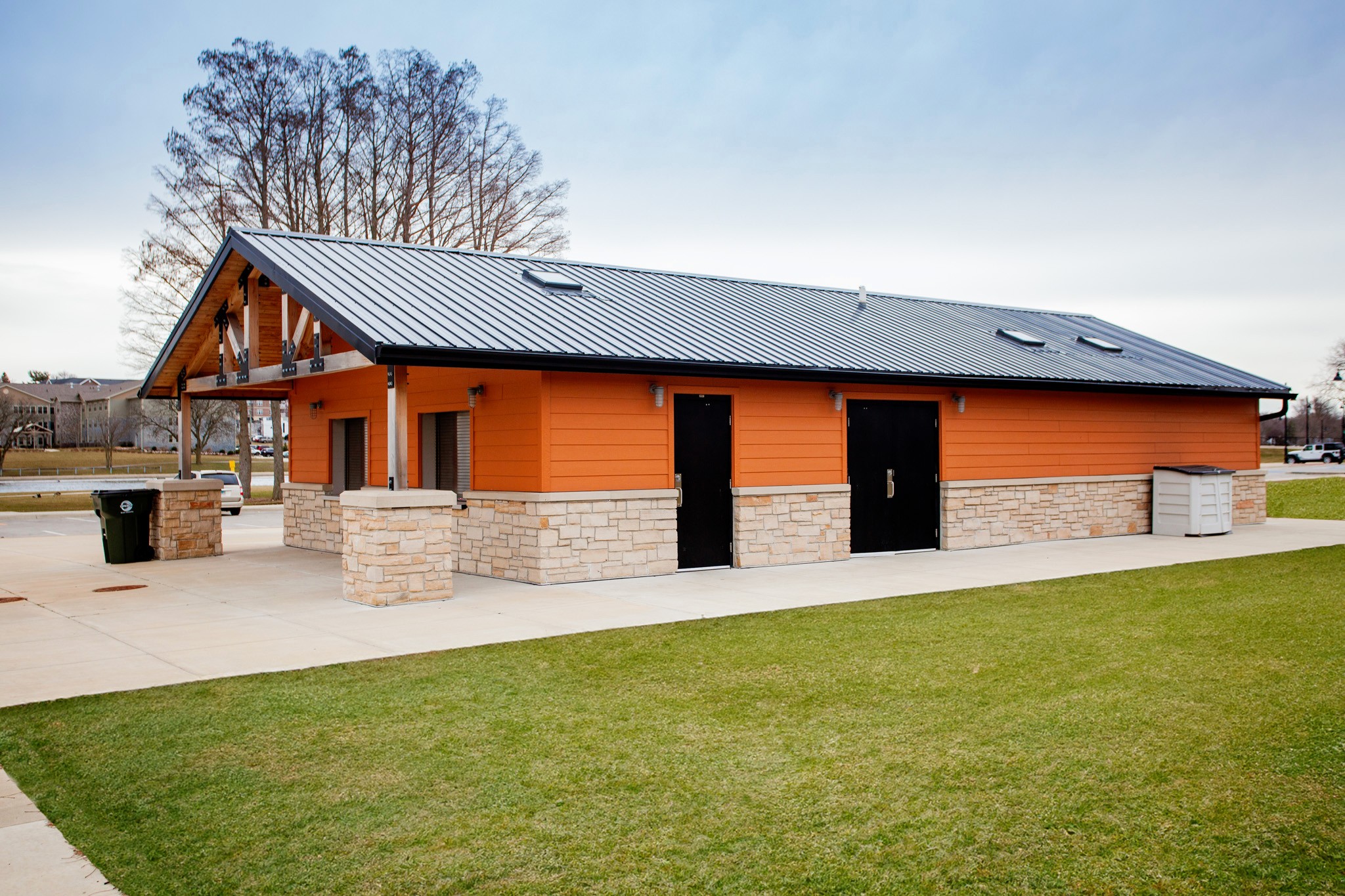
Image credit: romtec.com
Design decisions can have a direct impact on operations
Consider something as basic as an exterior finish. It affects the appearance and also affect maintenance costs, repair costs and weather resistance. Roof designs affect drainage and maintenance as well as the appearance of the space. The layout of interiors affects accessibility, visitor circulation as well as cleaning procedures and fixture placement.
The top design of parks’ restrooms should think about both the structure as well as the operational aspects.
Romtec collaborates with municipalities, contractors and other stakeholders to create bathrooms that are custom-designed, rather than restricting projects to a narrow range of conventional designs. Materials, shapes, colours as well as fixtures, sidings, and other elements can all be coordinated with surrounding developments.
The drawing should be converted into a real building
Although a concept may look great on screen but it could cause issues in the real world when it comes to pricing or construction. All of these factors will be considered, including construction codes, ADA regulations, local architectural review, the availability of components as well as structural requirements, construction costs, etc.
Romtec assists with projects by providing preliminary designs, estimates, bid drawings and specifications, along with renderings, engineered plans, and documents for submission. Romtec’s involvement helps create the architectural design from design to construction.
When evaluating the best park restroom builder, owners should consider this middle portion of the project carefully. The transition between design and construction is the place where inadequate specifications, unsuitable material selections, or a lack of coordination could lead to costly.
Infrastructure includes public restrooms
The restrooms for the public are often overlooked as a component of the park. When it comes to operation, they are much more similar to infrastructure.
A busy restroom could be used by families as well as seniors, children tourists, athletes, maintenance staff, and others who have disabilities all throughout the day. Depending on the scope of the project, planners have to consider ADA accessibility, durable surfaces and materials, ventilation, facilities, vandal-resistant elements, energy efficiency, access for cleaning, and capacity for visitors.
A campground is different from central parks. A sports center could experience an influx of people during games whereas a neighborhood facility could see moderate to constant daily usage. Instead of addressing these differences following construction, these differences need to be considered in the design of the building.
Budgeting without Planning Everything Out
Cost control in public buildings is inevitable However, this doesn’t mean you have to remove every unique feature.
Knowing the cost of construction and materials in advance will enable designers to make better decisions. An element with little value in terms of operational use can be repositioned to a more durable, more functional material, or an architectural element which can be more valuable.
Romtec’s experience with restrooms as well as concessions shelters showers and multi-purpose facilities permits these discussions while designs are still open.
A clean and well-designed restroom in a park is successful precisely because visitors rarely have to think about it. It’s easy to locate, appropriate to the surroundings, reliable and designed for decades of public use. It is also an astonishingly complex mix of engineering, design, budgeting, documentation, and construction planning.