
It’s typically a modest start. A handful of Raspberry Pi devices being used for testing, maybe in a laboratory or a pilot project. At this stage, everything feels easy to manage. You can check manually your devices, and update them if needed, and fix any issues that arise.
Then the things expand.
More devices get added. Multiple locations become involved. It can be difficult to keep on top of all the devices and the information. As time passes, companies start to look for structured ways to maintain their systems. Often, they turn to solutions such as AWS devices management Raspberry Pi, which brings everything together under one roof.
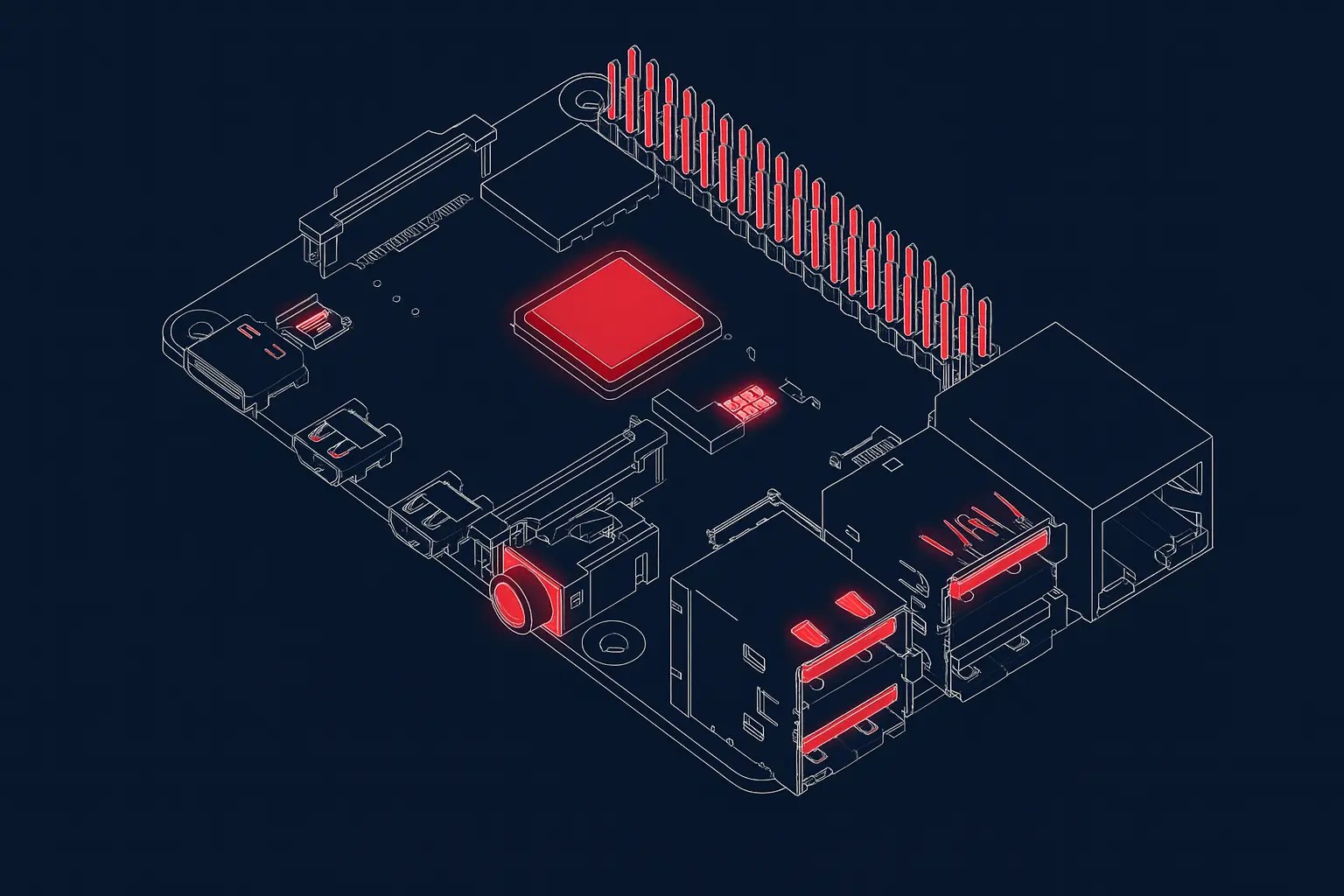
Growth can be thrilling but it is difficult to manage without a process.
Moving beyond Manual Oversight
Managing devices one by one might work for a handful of devices however it is not a good way to expand. As deployments grow the teams must come up with a better method to control operations without having to keep tackling issues.
A Raspberry Pi device manager setup which is reliable can transform how teams work with infrastructure. Centralized systems allow you to check every device at once instead of doing so individually. The devices can be checked, updated, and set up without physical access.
This reduces the pressure on teams and creates more stable environment where fewer things are placed in the hands of chance.
Remote Access: The Freedom of Remote Access
Remote Raspberry Pi connectivity is a major change in the management of modern devices. This removes the requirement for physical presence, which can cut down on time when there are multiple devices located in different places.
Remote access enables teams to deal with issues instantly, distribute updates and make configuration changes without delay. What used to require travel or assistance on site can be managed from a single dashboard.
This control level gives the feeling of flexibility that is crucial for developing systems.
You can see everything happening as it is
The fact that a device is running isn’t enough. What makes an system reliable is the ability to know how it performs in real time.
The capability to control and monitor Raspberry Pi and IOT devices management makes it possible for teams to monitor the performance of their devices, spot irregular behavior, and respond before minor issues become major issues. This transparency creates an environment that encourages proactive rather than an reactive one.
Monitoring systems continuously ensures they are more reliable and manageable.
Tools To Reducing Complexity
As devices networks continue to expand, their complexity increases. Without the right tools managing changes, configurations, and performance can become overwhelming.
Modern Raspberry Pi device management tools are designed to make it easier to complete the process. These tools can automate the routine tasks, provide clear insight, and ensure devices remain focused on the goals of operation.
Teams will spend less time doing repetitive work and more time working on their systems.
Building Systems That Grow With You
Scalability is one of the most crucial aspects of device management. It is vital in managing devices. An application that is able to manage ten devices will be able handle hundreds or perhaps thousands.
Enterprises can develop systems that can grow without losing structure by using AWS IOT Device Management Raspberry Pi. Each new device becomes part of a larger, well-organized network, rather than adding to the complex. This makes the growing to appear planned, rather than chaotic.
Keeping Stability as Systems Expand
Growth is often accompanied by new risks. As there are more devices there are more devices, the risk of failure increases.
Being able to monitor and control Raspberry Pi management and IOT device, systems can be stable as they grow. Problems can be detected early and fixes are easily made, and performance ensured throughout the network. Businesses can trust systems that are reliable.
The Smarter Method to Manage Your Devices
Device management doesn’t have to be overwhelming. If the proper framework is set, large deployments can be handled efficiently.
Being able to connect to Raspberry Pi remotely, use advanced Raspberry Pi device management tools, and rely on systems like AWS IOT device management Raspberry Pi transforms how businesses operate. The complexity that was once overwhelming is now manageable. And what was once an ongoing need for attention is now more easily managed.
ScalerPi is focused on facilitating this transition, helping businesses move from chaotic setups to system that can be scalable.
A solid and consistent management strategy is essential to ensuring long-term success when more companies take on IoT technologies and advanced technologies.